
CATALYST Foundations
An academic course built for curious students from 10–13 years old.
About CATALYST Foundations
The CATALYST Programmes are for academically ambitious and curious minds, taught by Winchester College teachers. The course invites students to explore questions that do not always have straightforward answers — from how technology is changing our lives to what makes an argument convincing, how science shapes our understanding of the world, and how ideas influence the choices we make.
Students encounter a stimulating range of subjects and ideas, making connections between disciplines and learning to look at familiar questions in new ways. The aim is not simply to acquire knowledge, but to become more confident thinking with it.

Learning through Enquiry
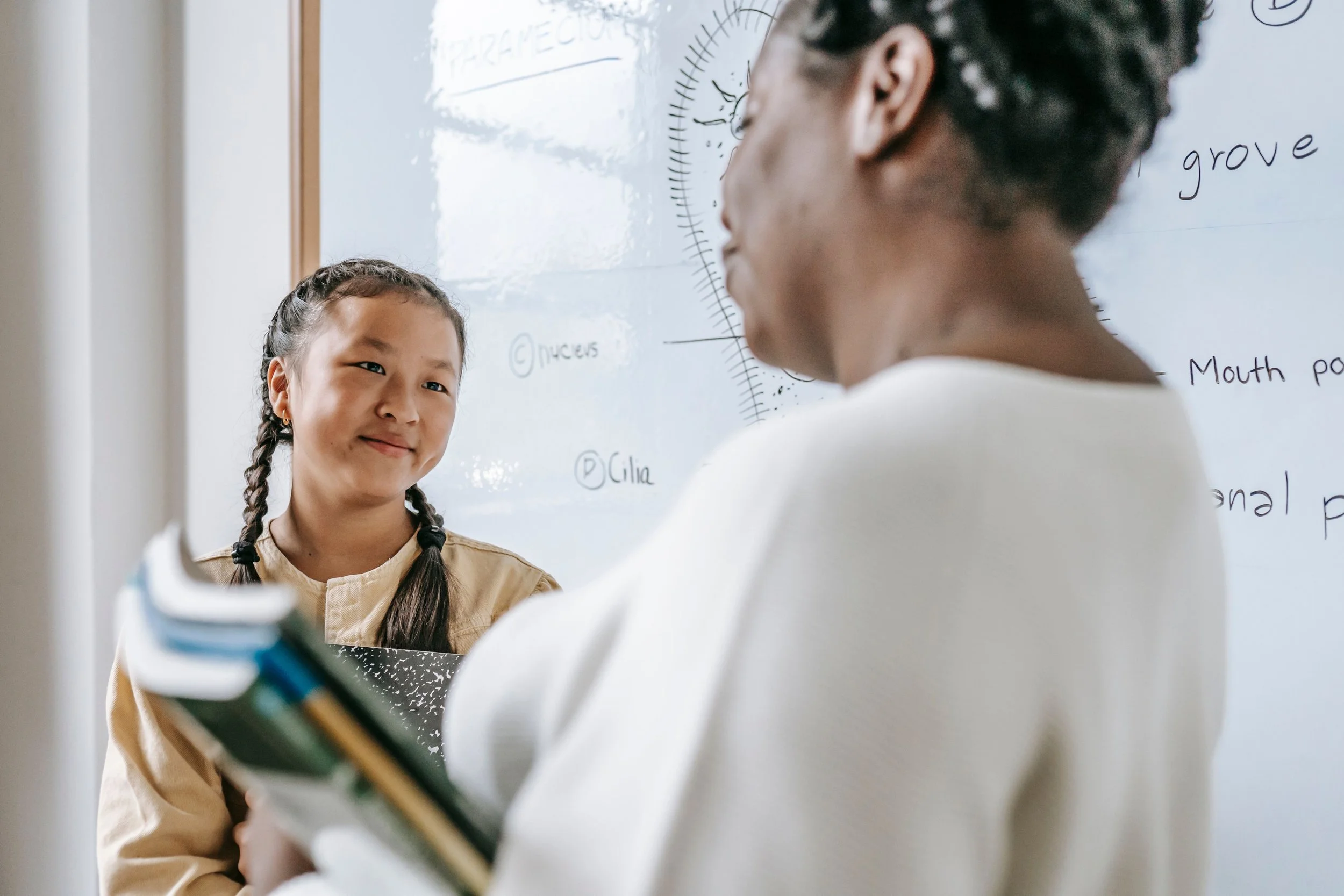
CATALYST Foundations is built around the belief that some of the most valuable learning begins with a good question. Students are encouraged to be curious, test ideas and consider different possibilities. Through discussion, practical challenges, experiments, stories, debates and collaborative projects, they move between asking questions, exploring possibilities and developing their own ideas.
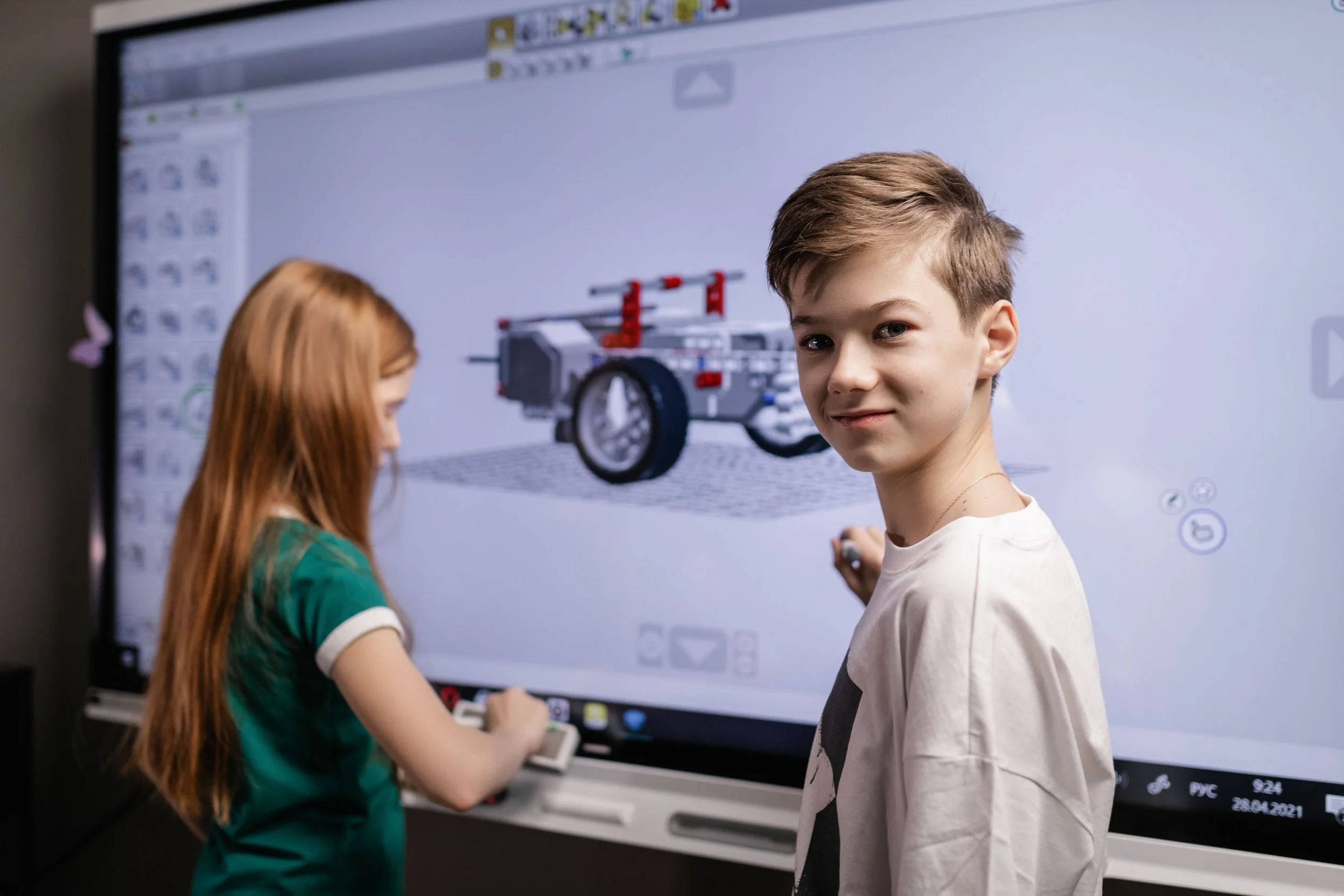
CATALYST Foundations introduces big ideas through an exploratory and hands-on approach. Students might investigate a scientific problem, experiment with a new technology, explore an ethical dilemma or develop a creative response to a real-world challenge. They are encouraged to wonder why, ask what if?, try things out and explain what they think.

One CATALYST Journey
CATALYST Foundations builds the habits that underpin academic enquiry: question, explore, experiment, create, communicate.
Students are encouraged to go beyond knowing the answer and start thinking about how we know, why we think what we think, and what might happen if we looked at the problem differently.
CATALYST Foundations is the first step in the CATALYST academic journey giving younger students the intellectual curiosity, confidence and independence to engage with increasingly complex ideas as they progress.
Programme Structure
-
Week 1: Ideas & Enquiry
Technology & Ethics: Can technology change the way we live?
Explore how inventions and new technologies shape our everyday lives. Investigate AI, biotechnology and other emerging technologies, considering the exciting possibilities they offer and the questions they raise.
Language & AI: Can a computer think like a person?
Put human and artificial intelligence to the test. Explore how we communicate, how computers process language and whether a machine can really understand what we mean through interactive challenges including the bespoke Beat the Machine challenge.
Philosophy of Self: What makes you, you?
Explore big questions about identity, personality and what it means to be human. Students consider different perspectives from psychology, culture
and the world around them, using discussion and activities to explore what shapes who we are.
Critical Challenges: Can you change someone’s mind?
Take on debates, puzzles and thought-provoking challenges. Learn how to explain an idea clearly, listen to different viewpoints, build a convincing
argument and test your thinking with others.
-
Week 2: Create & Challenge
Science & Patterns: Can we always trust what we see?
Investigate illusions, patterns and surprising scientific phenomena. Explore how our brains make sense of the world and discover how scientists use questions, evidence and experiments to understand what is really happening.
Economics & Prosperity: What makes a community thrive?
Explore ideas about money, wealth, wellbeing and fairness through games, challenges and real-world examples. Students investigate how societies work and consider what makes a place a good place to live.
Heritage & Culture: What should we keep for the future?
Discover how traditions, stories, buildings and cultural practices help shape our sense of identity. Explore what we value from the past, what we choose to preserve and how traditions can change over time.
Creative Problem-Solving: Can you solve a problem that really matters?
Work in teams to tackle real-world challenges, develop creative ideas and test possible solutions. Learn to collaborate, think differently and communicate ideas with clarity and confidence before presenting your solution to others.
Foundations Capstone Project
The Capstone Project is the showcase piece of the CATALYST experience — an opportunity for students to take their learning beyond the classroom and apply it to a challenge that matters to them.
Students explore a real-world issue, develop their own ideas and work towards an imaginative response. Guided by Winchester teachers, students approach their challenge through exploration and creation. They investigate a question, experiment with ideas, collaborate with others and develop a practical or creative response. The emphasis is on curiosity, creativity and confidence — giving students the opportunity to experience what it feels like to take an idea from a question to something they can share with others.
It culminates in a final presentation, giving students the opportunity to make their thinking visible — to explain not only what they have created, but why they think it matters and how their thinking has developed.
What Students Will Gain
By the end of the programme, students will:
Ask better questions — build confidence to question, explore and investigate ideas.
Think creatively — develop new ways to approach problems and generate solutions.
Solve problems — apply critical thinking to unfamiliar challenges.
Share ideas with confidence — communicate and explain their thinking clearly.
Collaborate effectively — listen, contribute and work creatively with others.
See the bigger picture — develop a broader understanding of the world around them.
Embrace the unfamiliar — become more confident when facing new ideas, challenges and perspectives.
Stay curious — develop the CATALYST mindset that values not just knowing the right answer, but knowing what question to ask next.

A Foundation for What’s Next
CATALYST Foundations is designed as the first step in the CATALYST journey.
For students who go on to the CATALYST Horizons Programme (ages 14-17), the Foundations experience provides a natural springboard into more advanced interdisciplinary study, debate, independent research and the CATALYST Capstone.
The result is a transformative experience that builds well-being, connection, and independence.

Capstone Project Examples
-
Reimagining Mathematics
Prototyped an interactive adventure game that makes maths engaging through logic and strategy.
OSCAR, 12 YEARS
-
Digital Wellbeing for Youth
Launched a campaign to raise awareness of social media’s impact on mental health.
AVYANNAH, 13 YEARS
Testimonials
“CATALYST took his education to the next level. It helped him develop the skills he needs for senior school and beyond.”
“I gained skills in many different areas: teamwork, how to think at speed and form a solid argument, and how to be pushed out of your comfort zone.”
Book Catalyst foundations (ages 10-13)
£5,800
For a two-week residential course
For 10-13 year olds
2-week residential summer school
Full Price: £5,800
Dates:
Monday 5th July - Sunday 18th July
Monday 19th July - Sunday 1st August
Frequently Asked Questions
-
Students aged 10-13, particularly those approaching the transition to secondary school. It's built for curious, motivated learners who want to develop academic confidence and life skills ahead of that step up.
-
Eight strands across two weeks: Technology and Ethics, Language and AI, Philosophy of Self, and Critical Challenges in week one; Science & Patterns, Economics and Property, Heritage and Culture, and Creative Problem Solving in week two.
-
It's interactive and discussion-led rather than lecture-style. Students work in small groups, test ideas, refine arguments, and tackle real problems from multiple angles - the focus is on learning how to think, investigate, and communicate, not just absorbing facts.
-
The Capstone Project is the centrepiece of the CATALYST experience. It allows each student to investigate a topic that inspires them, develop an evidence-based solution, and present their findings at the end of the course. This process strengthens critical thinking, research skills, creativity, and confidence - qualities that are invaluable for future academic and professional success.
-
By the end of CATALYST Foundations, students will have:
Greater confidence in asking questions and sharing ideas
Stronger problem-solving and creative-thinking skills
Experience working collaboratively with others
A broader understanding of the world around them
The confidence to approach unfamiliar challenges
New ways to communicate and explain their thinking
A sense of curiosity that extends beyond the classroom
Most importantly, they'll discover that learning isn't just about knowing the right answer.
It's about knowing what questions to ask next.